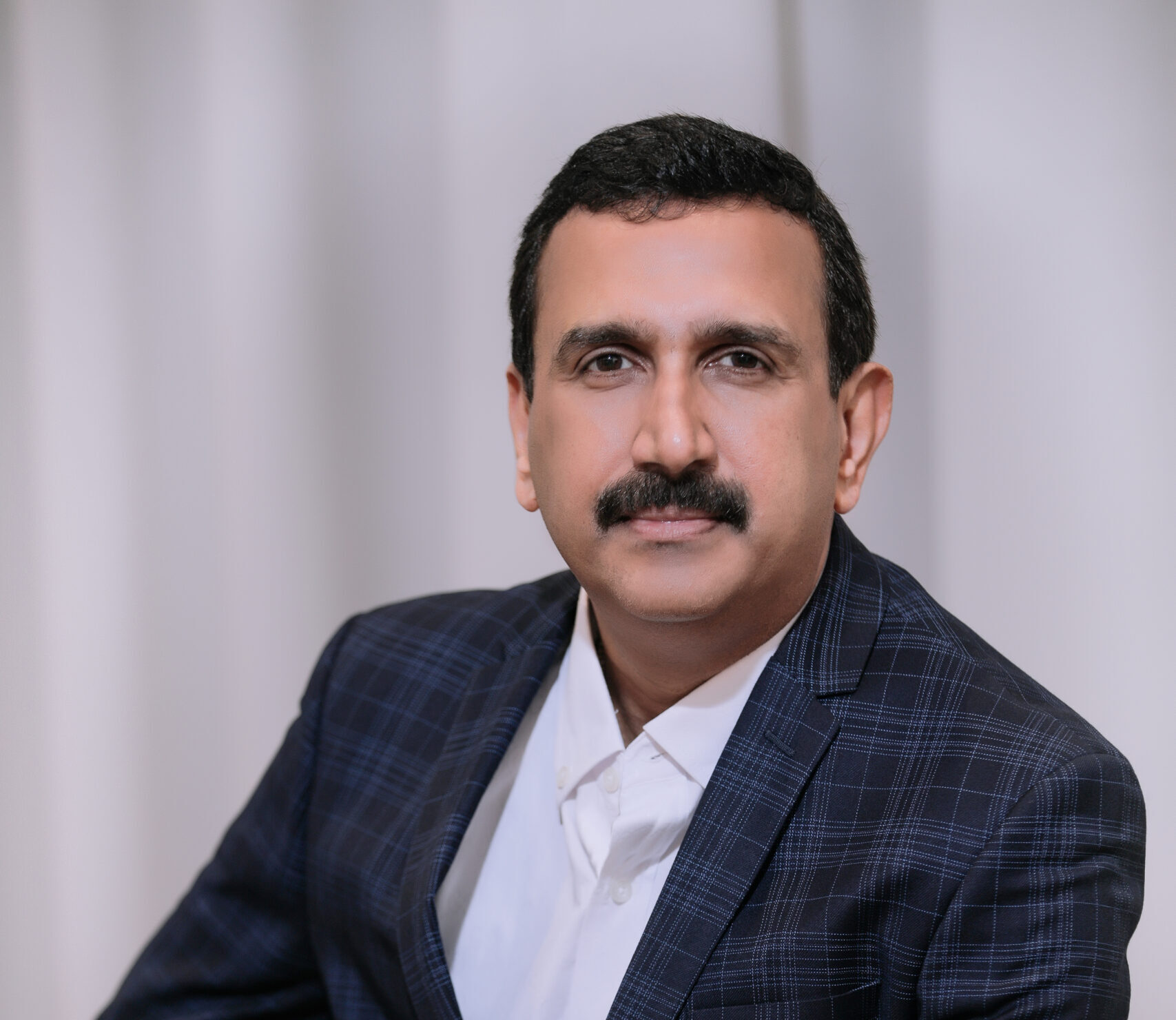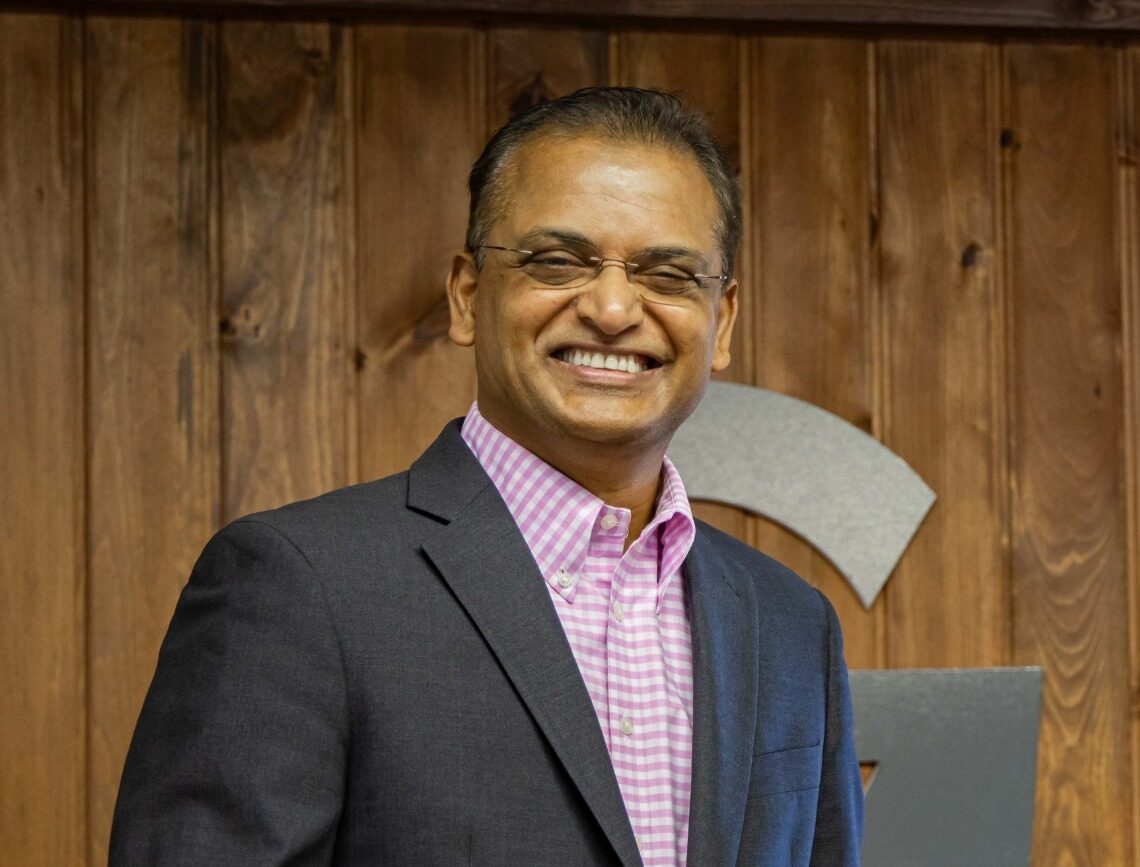
The leaders who leave a lasting mark are not remembered only for their titles or positions of authority. They are remembered for the people they strengthen and the cultures they shape. In every role he has held, Bala Sathyanarayanan has placed people at the center of transformation. Today, as Executive Vice President and Chief Human Resources Officer at Greif, that philosophy defines both his leadership and his impact.
Under his guidance, Greif’s employee engagement scores rose from the 32nd percentile in 2018 to the 86th percentile in 2025, a result that reflects both discipline and care. His contributions have earned recognition such as the Outstanding 50 Asian Americans in Business, Executive of the Year by Columbus CEO Magazine, and a People-First Leader Spotlight from Transform. For Bala, these milestones are not endpoints. They are evidence of a deeper belief that strategy and human growth must move together for organizations to thrive.
The Journey Begins
The foundations of Bala Sathyanarayanan’s leadership were laid early in his career. He began in Chennai with United Technologies’ Otis Elevator Company as a Graduate Engineer Trainee, where his work in field operations, safety, and quality taught him both discipline and accountability. That grounding prepared him for his next role at Coca-Cola as a Regional Training Manager, where he first saw how transformation in large organizations depends on people as much as process.
His journey continued at Avaya, Hewlett-Packard, and Xerox. At Xerox, his responsibilities expanded from human resources into business transformation, giving him exposure to board-level decision making and sharpening his ability to connect culture with strategy. Over time, his work spanned 145 countries, which deepened his appreciation for agility and inclusion as essential qualities for global organizations.
Growing up in India, Bala had already witnessed how access to opportunity could change lives. That awareness became the foundation of a philosophy he carried throughout his career: organizations flourish when they create space for people to grow.
Shaping Organizations Through People
That conviction came into sharp focus at Greif. When Bala became Executive Vice President and Chief Human Resources Officer, the company faced the challenge of aligning a diverse global workforce with ambitious goals. His response was to place culture at the center of strategy.
He introduced the “One Greif” mindset, designed to unify employees across regions under a shared purpose. Leadership development programs treated trust as a strategic asset, while Gallup’s strengths-based approach encouraged employees to build on their unique capabilities and contribute to collective success.
The impact was measurable. Employee engagement rose from the 32nd percentile in 2018 to the 86th percentile in 2025. Retention improved, the leadership pipeline grew stronger, and culture became one of Greif’s greatest assets. Yet for Bala, the numbers told only part of the story. He says, “The real success is when people discover their own voice, take on stretch roles, and choose to build long-term careers with us.”
That belief in people as the drivers of excellence shaped not only his leadership at Greif but also his personal approach to growth.
Integrating Growth and Leadership
For Bala Sathyanarayanan, personal growth and professional responsibility are inseparable. He believes a leader who stops learning eventually limits their ability to serve others. To maintain balance, he relies on structured routines that bring focus and renewal. Early mornings are set aside for reflection, reading, and fitness. Travel time, often dismissed as a burden, becomes a chance to study, write, and absorb new perspectives. Even small rituals, such as meditation or a workout, remind him that resilience is built through consistency.
His approach to learning is not one-directional. Bala participates in reverse mentoring with younger colleagues to stay close to technology and emerging trends. “The world changes too quickly for any leader to rely only on experience. You have to keep listening and adapting,” he explains.
This mindset was evident when he introduced the FranklinCovey Speed of Trust framework during a leadership offsite. The preparation involved research, reflection, and feedback from his teams, underscoring his view that personal readiness strengthens collective performance.
Turning Challenges Into Catalysts
Early in his career, Bala was asked to lead a team that was older and far more experienced than he was. It could have been an intimidating assignment, but instead of trying to assert authority, he chose to listen, observe, and earn trust by empowering others. That experience left a lasting impression: credibility does not come from hierarchy but from the confidence others place in you.
That lesson would serve him well during later tests of leadership. When the COVID-19 pandemic disrupted businesses across the world, Bala focused on unity, transparency, and care. His steady approach helped Greif maintain cultural resilience during a period of uncertainty, leading to consistent recognition on Newsweek’s Most Loved Global Workplaces list. For him, setbacks are not endpoints. They are turning points that allow leaders to deepen trust, strengthen teams, and build resilience for the future.
Values as Compass
For Bala, values are not abstract concepts. They are the compass that guides every decision and every relationship. Integrity, humility, discipline, and commitment to people remain constant whether he is in the boardroom, with his family, or working in the community.
In business, these values mean choosing what is over what is easy, serving others before seeking status, and building cultures where people can thrive. At home, they mean showing up consistently, staying grounded, and protecting the space to renew himself. This continuity across all roles reflects his view that leadership is one continuous journey of purpose. As he puts it, “If values do not guide you everywhere, they will not guide you anywhere.”
Lessons, Influences, and Passions
The leaders and mentors who shaped Bala were as important to his journey as the roles he held. His parents taught him that service to others builds both purpose and self-esteem, a principle that continues to guide him today. His Scout Master, Mr. Victor, demonstrated servant leadership long before Bala encountered the concept in business. Watching him reinforced the idea that leadership is about responsibility and service rather than authority.
Bala also credits the many colleagues and teams he has worked alongside across 145 countries. Some of his greatest lessons came not in boardrooms but on factory floors, where he saw resilience, creativity, and commitment at their strongest. He adds, “Leadership is not learned only from senior figures, it is also shaped by the people who trust you to guide them.”
Personal passions have added depth to this philosophy. Ping pong taught him agility and focus, while his love of reading and reflection nurtures the curiosity that fuels his lifelong learning.
Redefining Success
For Bala, success is not measured by titles or financial outcomes. It is measured by the strength of the leaders he develops, the cultures he helps to shape, and the people who grow under his guidance. Metrics such as engagement, retention, and leadership pipeline are important to him because they show that servant leadership has taken root in tangible ways.
On a personal level, success means living consistently with values, being present for his family, and continuing to learn. Professional excellence and personal integrity are not separate; one sustains the other. The ultimate test, in his view, is whether individuals and organizations are stronger after his involvement than before.
This belief ties back to the principle that has guided his entire career. Leadership is service, and its true legacy lies not in accolades or recognition but in the lasting impact it leaves on people and communities.