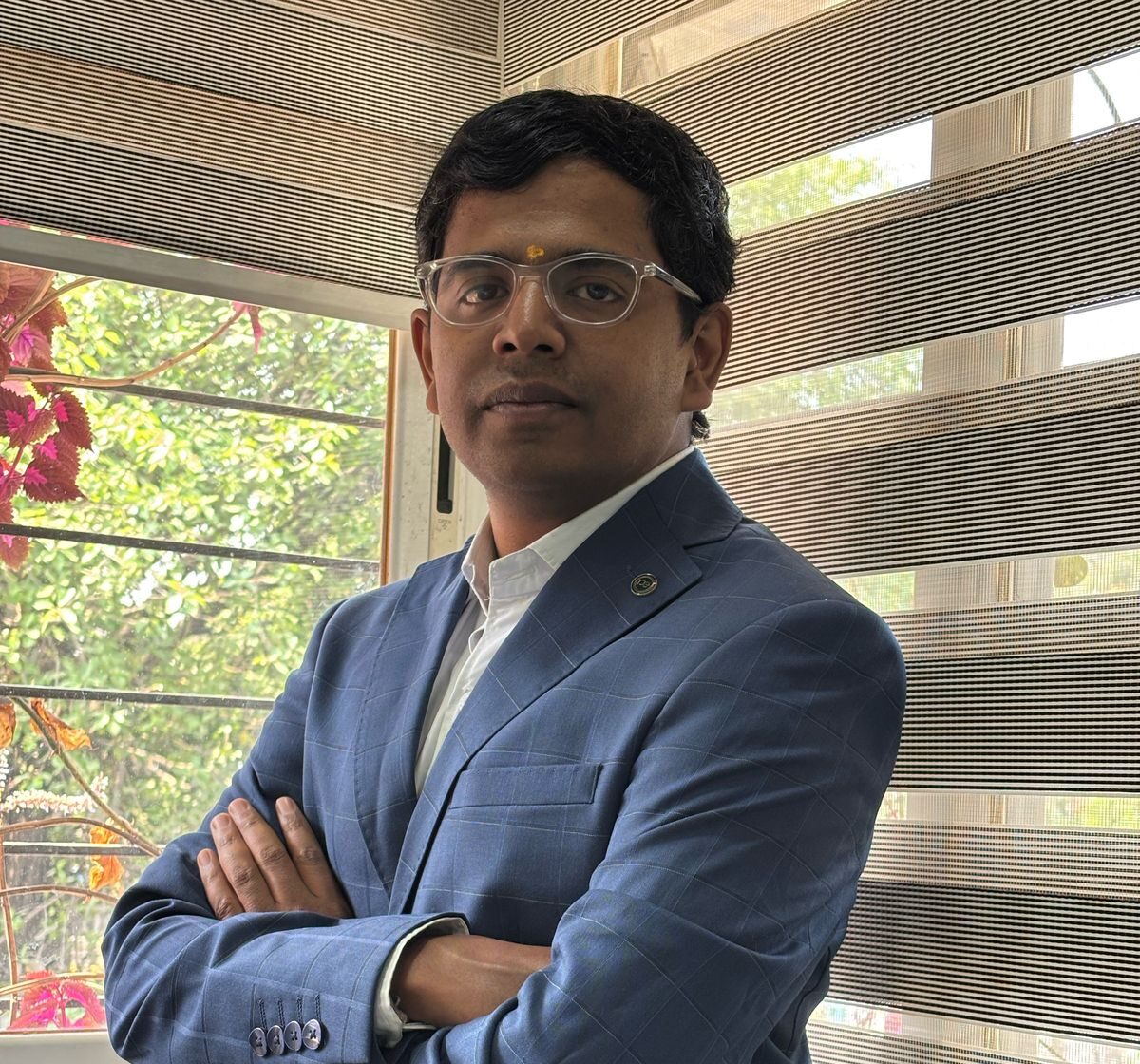
Dr. Magesh Kasthuri, Distinguished Member of Technical Staff & Chief Architect, Wipro Limited
Introduction
Artificial Intelligence (AI) is reshaping the landscape of talent management across IT organisations. With the accelerated pace of AI advancements, businesses face a unique set of challenges and opportunities in building, nurturing, and retaining talent. This article explores how IT organisations can adapt by developing talent that meets evolving client requirements, focusing on skilling for developer productivity, strategic AI investments, partnerships, cultural adoption, and the critical role of Responsible AI.
Building Talent in the AI Era
As clients demand faster, smarter, and more innovative solutions, IT organisations must respond by cultivating a workforce capable of leveraging AI technologies. The race is not just about having technical expertise but about aligning talent with client expectations. This requires a proactive approach to identifying skills gaps, forecasting future needs, and continuously upskilling employees to stay ahead of the curve. Adapting talent management strategies to meet client requirements is now central to business success.
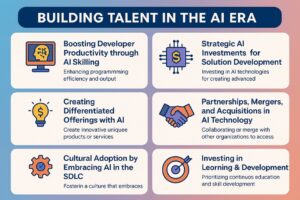
Boosting Developer Productivity through AI Skilling
AI tools and platforms have revolutionised software development, enabling developers to automate repetitive tasks, optimise code, and accelerate delivery timelines. To harness these benefits, organisations must invest in targeted skilling programmes. Training developers to use AI-powered code assistants, debugging tools, and project management platforms can significantly increase productivity. Moreover, fostering a culture of continuous learning ensures that developers remain agile and adaptable to new AI technologies as they emerge.
Strategic AI Investments for Solution Development
Developing innovative solutions requires more than just adopting AI; it demands strategic investments in technology and talent. IT organisations must evaluate where AI can deliver the most value—be it in automating processes, enhancing client experiences, or creating new business models. Strategic investments should focus on nurturing multidisciplinary teams that combine AI expertise with domain knowledge, ensuring that solutions are both technically sound and aligned with client objectives.
Creating Differentiated Offerings with AI
In a competitive market, differentiation is key. AI enables organisations to create unique offerings by personalising client solutions, predicting market trends, and delivering insights that drive business growth. Building talent capable of designing and implementing such differentiated offerings requires a blend of technical proficiency, creativity, and business acumen. Encouraging cross-functional collaboration and supporting innovation initiatives can help organisations stand out and deliver exceptional value to clients.
Partnerships, Mergers, and Acquisitions in AI Technology
The rapid evolution of AI has made partnerships, mergers, and acquisitions (M&A) an essential strategy for talent and capability expansion. Collaborating with AI startups, acquiring niche technology firms, or forming alliances with academic institutions can infuse fresh ideas and specialised skills into the organisation. Effective talent management during these transitions involves integrating diverse teams, harmonising cultures, and ensuring seamless knowledge transfer to maximise the benefits of such collaborations.
Cultural Adoption: Embracing AI in the SDLC
The successful integration of AI into the Software Development Life Cycle (SDLC) relies not only on technical adoption but on cultural transformation. IT leaders and HR professionals must foster an environment where experimentation, learning, and adaptation are encouraged. This involves addressing resistance to change, promoting open communication, and recognising the contributions of teams embracing new AI-driven workflows. A culture that values innovation and continuous improvement is crucial for sustaining AI adoption across the organisation.
Investing in Training for Generative and Agentic AI
Generative AI and Agentic AI represent the next frontier in technological advancement, offering unprecedented capabilities in content creation, problem-solving, and autonomous decision-making. To keep pace, organisations must prioritise investments in training and development. Customised learning modules, hands-on workshops, and certification programmes can help employees master these advanced AI technologies. By empowering teams with the latest skills, organisations ensure their workforce remains competitive and future-ready.
The Role of Responsible AI in Talent Management
As AI becomes more pervasive, the importance of Responsible AI cannot be overstated. Responsible AI practices ensure that technology is used ethically, transparently, and in a manner that respects privacy and societal values. Talent management strategies must incorporate training on responsible data usage, bias mitigation, and compliance with regulatory standards. Building awareness and accountability around Responsible AI not only protects the organisation but also builds trust with clients and stakeholders.
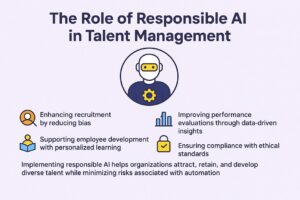
To truly embed Responsible AI within talent management, organisations should adopt a few key best practices. First, it is vital to weave ethical considerations into every stage of the AI talent journey—from recruitment and onboarding to ongoing professional development. This means providing regular training on topics like data privacy, fairness, and how to spot and tackle algorithmic bias. Encouraging open dialogue about ethical dilemmas and creating safe spaces for employees to raise concerns can also go a long way in building trust and transparency.
Another important step is to set up clear guidelines and accountability structures. Designating Responsible AI champions or committees within teams helps keep ethical standards front and centre. Regular audits of AI systems, along with transparent reporting mechanisms, ensure that any issues are quickly identified and addressed. Finally, fostering a culture where employees feel empowered to question and improve AI processes will help the organisation stay ahead of evolving regulatory requirements and societal expectations. These actions not only safeguard the company but also reinforce its reputation as a trustworthy and forward-thinking employer.
Future-proofing Talent Management in the AI Era
The AI era presents both challenges and opportunities for IT organisations. By focusing on strategic talent development, investing in skilling for emerging technologies, embracing cultural change, and prioritising Responsible AI, businesses can future-proof their talent management strategies. IT leaders and HR professionals play a pivotal role in guiding their organisations through this transformation, ensuring they remain agile, innovative, and responsive to client needs in an increasingly AI-driven world.
About the author:
Dr. Magesh Kasthuri is Distinguished Member of Technical Staff (Master) and Chief Architect in Wipro Limited. He did his Ph.D in Deep Learning and Genetic Algorithms. He has written more than 200 Thought leadership articles in CIO.com. CXOTech.com, OpenSourceForYou Magazine, Architecture & Governance Magazine, PCQuest and many International Journals and Magazines. He has written 1000+ technical blogs called “Shorticle” (means Short Article) in LinkedIn. This article presents the views of the author and not the organization he works in.